

In biological experiments, biological buffer should be often used, and Tris is a common type in biological buffer. As a widely used biological buffer, many people should know the name, but some people still don't know it. Let's take a look at the principle and application of Tris.
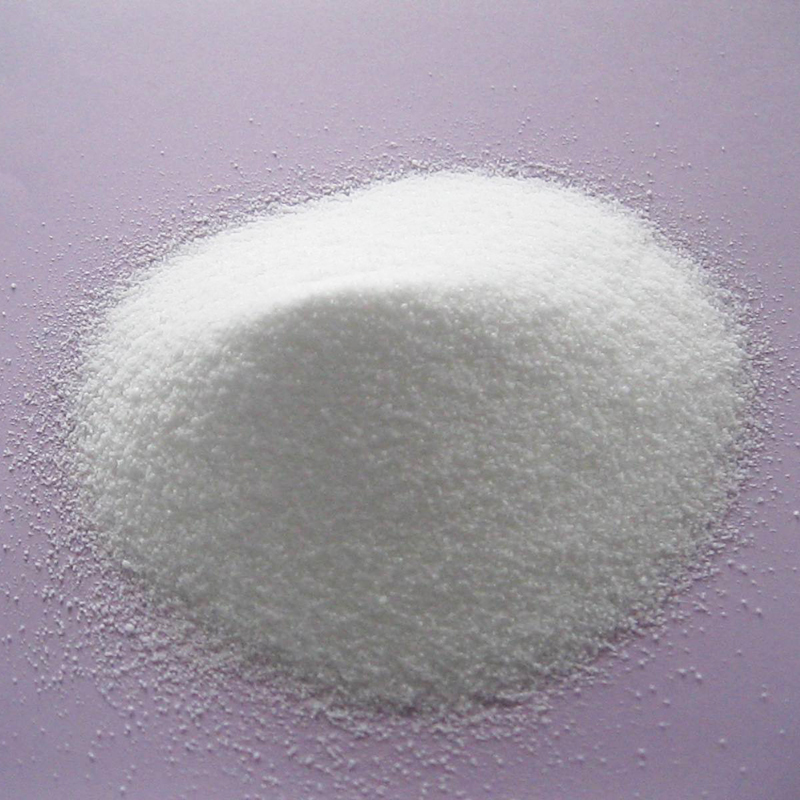
Tris is fully known as trimethylolaminomethane, also known as aminobutanol, CAS No. 77-86-1, and its appearance is white crystalline powder. Soluble in ethanol and water, it will also dissolve with ethyl acetate, but it is relatively slow, not with ether and carbon tetrachloride, and has corrosive effect on copper and aluminum.
Tris is widely used in acute metabolic and respiratory acidemia. It is an alkaline buffer. It has a good buffer effect on metabolic acidosis and enzyme activity reaction, and may cause hypoglycemia, hypotension, nausea and vomiting. It can even inhibit breathing and stop breathing. Excessive intake or renal insufficiency can cause alkalescence. When Tris and acid titration reference materials are used, the purity requirements will be very high, basically 99.9% - 100%
Because Tris is weakly alkaline, when the temperature is below 25 ℃, PKA is 8.1, but according to the buffer theory, its effective buffer range is ph7.5 0-9.2. The pH of Tris aqueous solution is about 10.5. Generally, add hydrochloric acid to adjust the pH value to the required value, but at the same time, pay attention to the influence of temperature on the pKa of Tris. Since Tris buffer is a weak alkaline solution, DNA will be deprotonated in the solution, so as to improve its solubility. Therefore, some people often add EDTA into Tris hydrochloric acid buffer to make te buffer, and replace the pH adjusted solution with acetic acid to obtain Tae buffer.